Prevent Backups Before They Happen
Septic Tank Pumping in Manhattan for properties with slow drains, standing water, or routine maintenance schedules
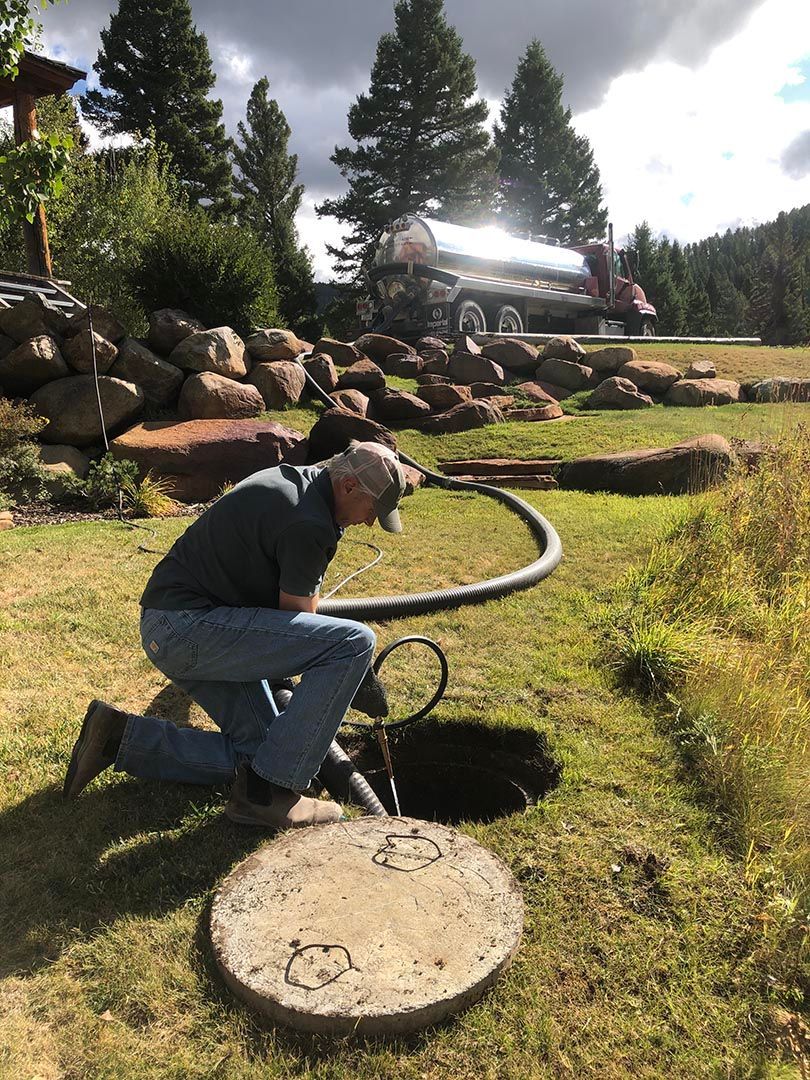
All Country Septic provides septic tank pumping in Manhattan for residential and commercial properties throughout Gallatin Valley. Regular pumping removes accumulated sludge and scum before levels rise high enough to block the outlet baffle or push solids into the drainfield. Without scheduled removal, solids compact at the tank bottom while floating scum layers thicken near the surface, eventually restricting the flow path and forcing untreated wastewater into absorption areas designed only for clarified effluent.
Pumping involves removing liquid waste and settled solids from all chambers, then assessing sludge depth and scum thickness to determine whether the interval should be adjusted. Tanks serving larger households or those with garbage disposals accumulate solids faster, often requiring service every two to three years instead of the typical three to five. Properties in Gallatin Valley with seasonal occupancy patterns may stretch intervals slightly, but cold winters can slow bacterial breakdown and accelerate buildup during peak usage months.
Schedule a tank level assessment to establish a pumping interval based on your household size and usage patterns.
What Happens When Sludge Levels Rise
When sludge occupies more than one-third of the tank's liquid depth, solids begin migrating toward the outlet and into distribution lines. This creates soft blockages that slow drainage throughout the house, starting with lower fixtures like basement drains and ground-floor toilets. You may notice gurgling sounds when water drains, a sulfur odor near vent stacks, or patches of unusually green grass above the drainfield where effluent saturates shallow soil layers.
After pumping, drains typically resume normal flow rates within hours as the tank regains its full settling capacity. Toilets flush without hesitation, washing machines empty without backup, and the system returns to separating solids from liquids as originally designed. All Country Septic completes tank level assessments during each visit, measuring both sludge depth and scum layer thickness to confirm whether your current schedule matches actual accumulation rates.
Pumping services include removal of all waste from each chamber, but they do not address hardened baffle buildup or caked material along tank walls. These conditions require separate cleaning procedures that involve pressurized washouts and manual scraping, particularly in older tanks where years of deferred maintenance have allowed mineral deposits and compacted grease to bond to concrete surfaces.
Questions Property Owners Ask About Pumping
Understanding how septic systems accumulate waste and when intervention becomes necessary helps property owners avoid emergency calls and extend the functional lifespan of drainfield components.
How often does a septic tank need pumping?
Most residential tanks require pumping every three to five years depending on household size, but properties with garbage disposals or high water usage may need service every two years as solids accumulate faster than bacterial digestion can reduce volume.
What happens if pumping is delayed too long?
Sludge eventually blocks the outlet baffle, forcing solids into the drainfield where they clog soil pores and create permanent absorption failures that require expensive repairs or full system replacement.
Can pumping remove all buildup from the tank?
Pumping removes liquid waste and loose solids, but it does not eliminate hardened scum layers adhered to baffles or mineral scale on tank walls, which require separate cleaning procedures with high-pressure washing equipment.
How does cold weather in Manhattan affect septic tanks?
Freezing temperatures slow bacterial activity inside the tank, reducing the biological breakdown of solids and potentially accelerating sludge accumulation during winter months when decomposition rates drop.
What should be checked during a pumping visit?
Technicians should measure sludge and scum depths before pumping, inspect baffles for deterioration, check the tank lid for cracks, and confirm that inlet and outlet pipes are clear and properly aligned.
All Country Septic offers scheduled maintenance programs that include pumping reminders based on your property's specific usage patterns and tank capacity. Arrange a service visit to establish a baseline for sludge accumulation and set an appropriate pumping interval for your household.