Clear Blockages That Stop Flow
Septic Line Cleaning & Hydro Jetting in Manhattan for properties with root intrusions, slow drainage, or recurring clogs between the tank and drainfield
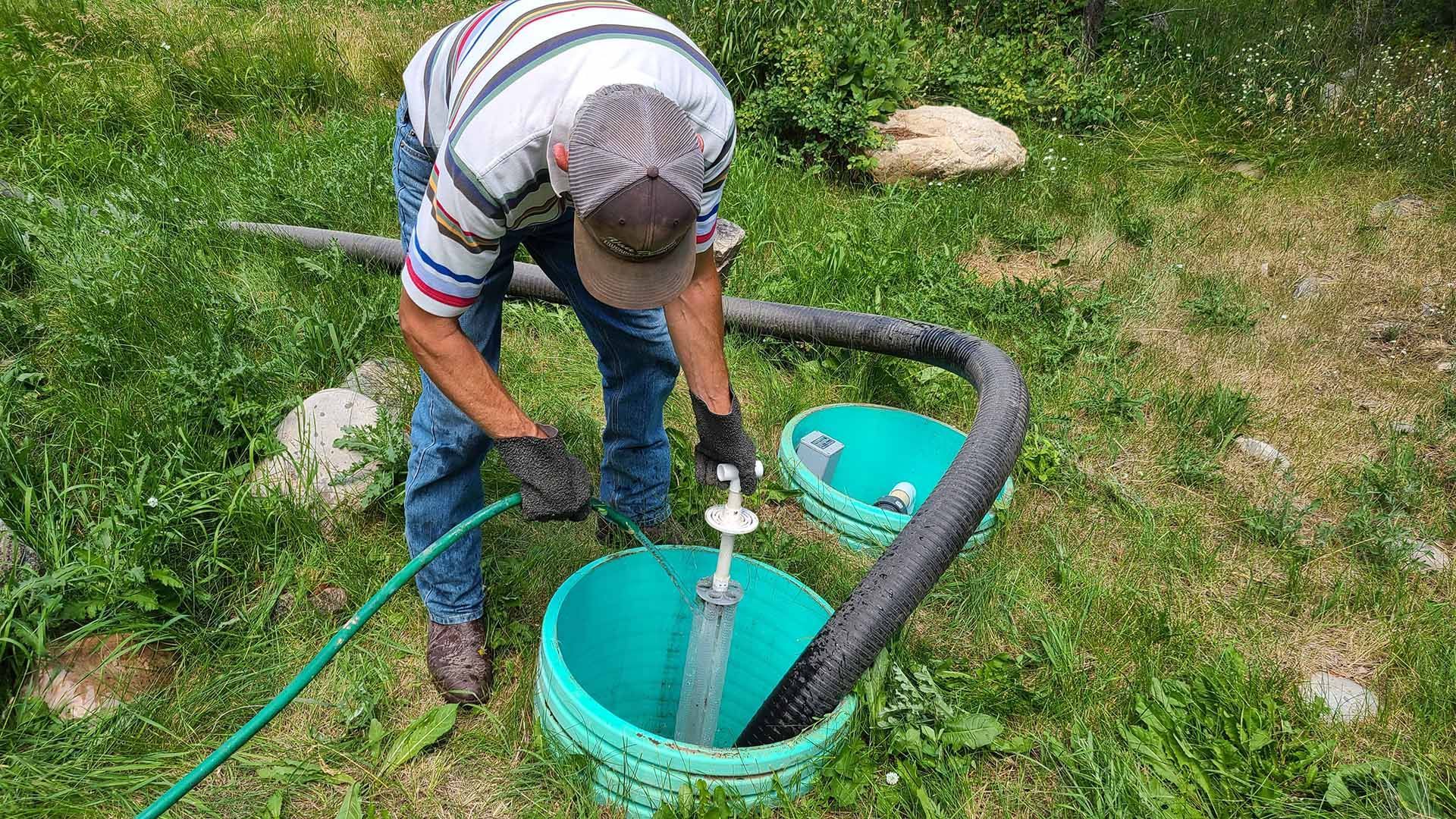
Root intrusions develop where tree and shrub roots penetrate joints in septic lines, attracted by nutrient-rich wastewater and moisture gradients that signal available water sources. Once inside the pipe, roots expand and trap passing solids, forming blockages that slow drainage and eventually stop flow entirely. Hydro jetting removes these obstructions by directing high-pressure water streams through the affected line, cutting through root masses and scouring accumulated debris from pipe walls. All Country Septic uses hydro jetting equipment in Manhattan to restore full pipe diameter without excavation, addressing blockages in outlet lines, distribution pipes, and lateral runs where roots commonly infiltrate clay or concrete septic components installed before modern sealed PVC systems became standard.
Hydro jetting differs from cable snaking by removing the entire blockage rather than simply boring a hole through the center. Water pressure reaches several thousand PSI, enough to break apart compacted sludge, shear root fibers, and flush all loosened material back toward the tank for extraction during pumping. This approach works particularly well in lines with grease accumulation or mineral scale buildup where mechanical augers would only scrape the surface without eliminating the underlying obstruction.
Schedule a line inspection and cleaning evaluation if drains have become progressively slower despite recent tank pumping or if you notice foul odors near the drainfield area.
Why Septic Lines Develop Blockages
Distribution lines rely on consistent downhill grade and smooth interior surfaces to move effluent from tank to absorption area. When roots penetrate pipe joints, they create rough surfaces that catch toilet paper, feminine hygiene products, and other materials that should have been retained in the tank but escaped due to high sludge levels or damaged baffles. In Gallatin Valley, cottonwood and willow trees pose particular risks as their aggressive root systems seek moisture during dry summer months, often infiltrating septic components located within thirty feet of mature specimens.
After hydro jetting removes all blockages, wastewater resumes moving at design flow rates, drains empty quickly, and toilets flush without hesitation. The system returns to delivering clarified effluent to the drainfield rather than allowing partially treated wastewater to pool in clogged lines where anaerobic conditions generate hydrogen sulfide odors. All Country Septic completes flow restoration services that include camera inspection when needed to verify complete blockage removal and identify any pipe damage that may require repair.
Line cleaning addresses obstructions within existing pipes but does not repair cracked lines, separated joints, or collapsed sections where soil pressure has crushed older clay or concrete components. These conditions require excavation and pipe replacement, which becomes apparent during camera inspection when cleaning reveals structural failures beyond simple blockage issues.
Answers to Frequent Service Questions
Understanding how blockages form and what cleaning procedures can accomplish helps property owners recognize when line service becomes necessary and what outcomes to expect from hydro jetting work.
How does hydro jetting differ from snaking?
Snaking uses a rotating cable to bore a hole through blockages, while hydro jetting uses high-pressure water to completely remove obstructions and scour pipe walls clean, eliminating root fragments and buildup that snaking leaves behind.
Can hydro jetting damage old septic lines?
Properly calibrated pressure settings clean pipes without causing damage, but lines with pre-existing cracks or severe deterioration may fail during cleaning, revealing problems that would have caused complete collapse soon regardless of intervention.
What are signs of root intrusion in septic lines?
Slow drainage throughout the house, gurgling sounds from fixtures, sewage odors near the yard, or patches of unusually lush vegetation above pipe runs where roots access nutrient-rich wastewater indicate likely root infiltration.
How often do septic lines need cleaning?
Most systems operate for years without line cleaning if tanks are pumped regularly and sludge never reaches levels where solids escape into distribution pipes, though properties with mature trees near septic components in Manhattan may require periodic root removal.
Will cleaning prevent future root problems?
Cleaning removes current root intrusions but does not prevent regrowth unless damaged pipe joints are sealed or replaced, making follow-up excavation necessary for long-term solutions when roots repeatedly infiltrate the same compromised sections.
All Country Septic combines hydro jetting with camera inspection services when line blockages recur or when initial cleaning reveals conditions requiring detailed visual assessment. Arrange a line cleaning consultation to determine whether your drainage issues stem from pipe blockages or other system components requiring attention.